Leveraging Deep Learning for Image Recognition in Software Applications
In today's digital age, the ability to analyze and understand visual information is becoming increasingly important across various industries. From autonomous vehicles to medical diagnostics, software applications are leveraging the power of deep learning to recognize and interpret images with remarkable accuracy and efficiency. In this blog post, we'll explore how deep learning is revolutionizing image recognition in software applications and driving innovation across diverse domains.
Understanding Image Recognition:
Image recognition, also known as computer vision, is the process of automatically identifying objects, people, places, or other features in digital images or videos. Traditional methods of image recognition relied on handcrafted features and statistical models, which often struggled with complex or unstructured data. Deep learning, a subset of artificial intelligence inspired by the structure and function of the human brain, has emerged as a game-changer in this field.
Image Recognition vs. Image Detection
The terms image recognition and image detection are often used in place of each other. However, there are important technical differences.
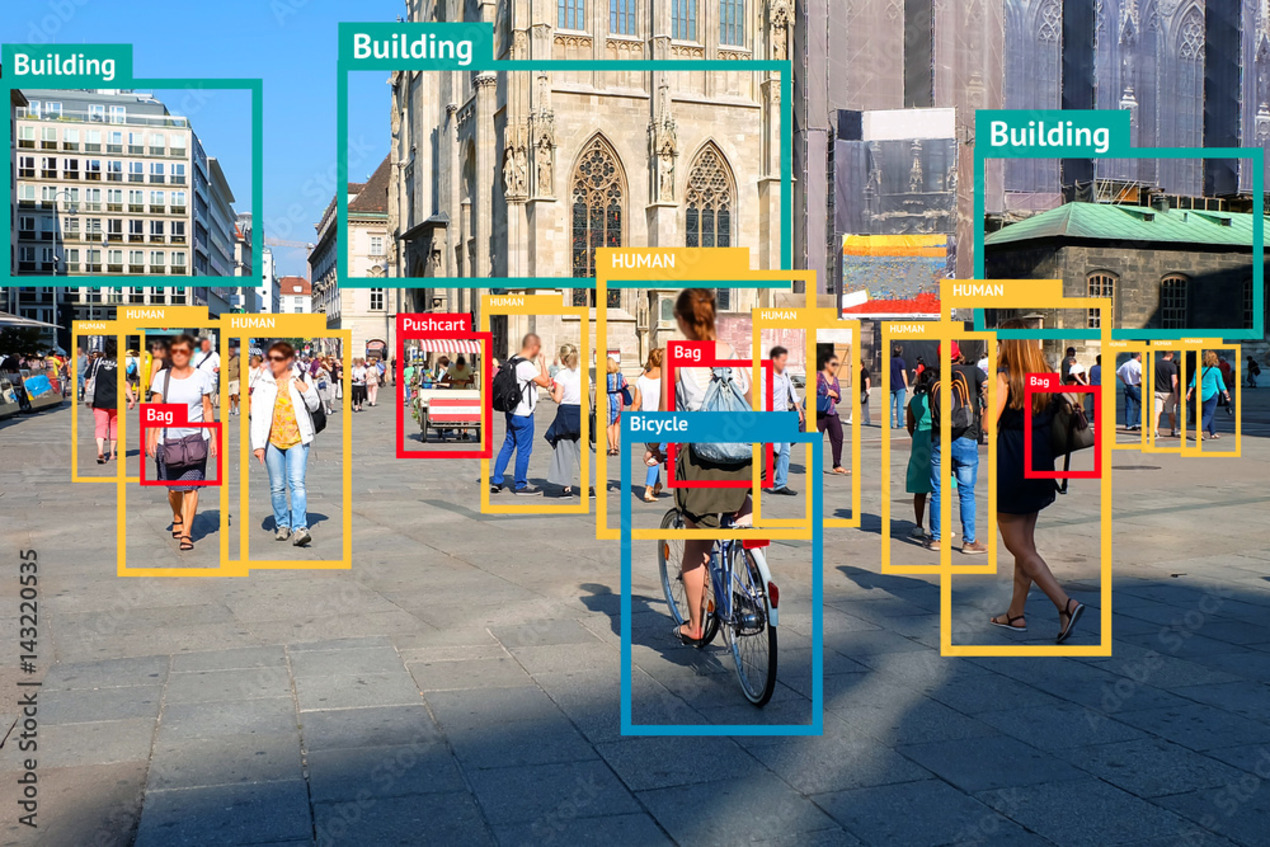
Image Detection is the task of taking an image as input and finding various objects within it. An example is face detection, where algorithms aim to find face patterns in images. When we strictly deal with detection, we do not care whether the detected objects are significant in any way. The goal of image detection is only to distinguish one object from another to determine how many distinct entities are present within the picture.
On the other hand, image recognition is the task of identifying the objects of interest within an image and recognizing which category or class they belong to.
The Process of AI Image Recognition Systems
There are a few steps that are at the backbone of how image recognition systems work:
Dataset with training data
The image recognition models require labeled images as training data (video, picture, photo, etc.). Neural networks need those training images from an acquired dataset to create perceptions of how certain classes look. For example, an image recognition model that detects different poses (pose estimation model) would need multiple instances of different human poses to understand what makes poses unique from each other.
Training of Neural Networks for AI Image Recognition Online
The images from the created dataset are fed into a neural network algorithm. This is the deep or machine learning aspect of creating an image recognition model. The training of an image recognition algorithm makes it possible for convolutional neural network image recognition to identify specific classes. Multiple well-tested frameworks are widely used for these purposes today.
AI Model Testing
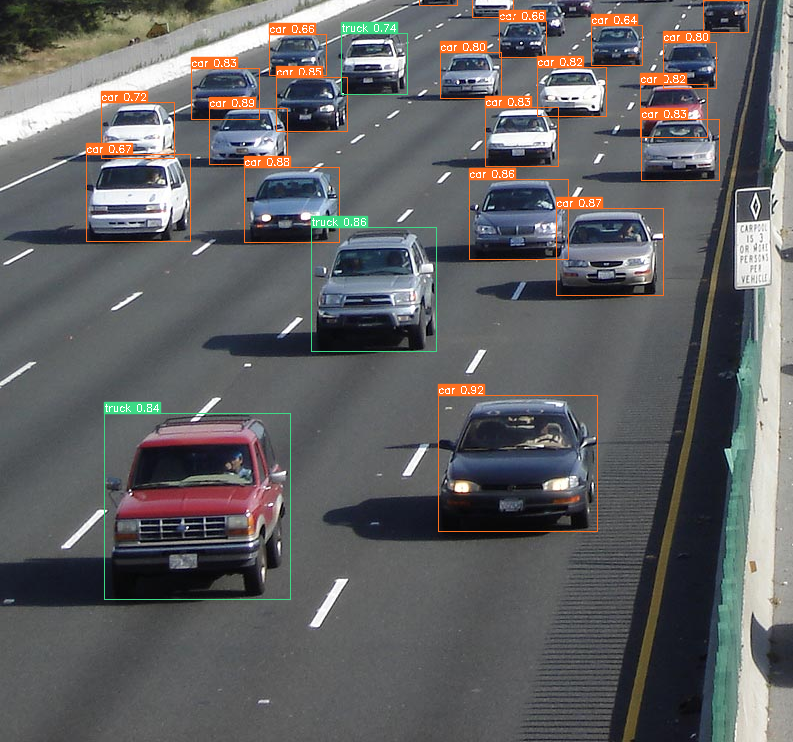
The trained model needs to be tested with images that are not part of the training dataset. This is used to determine the usability, performance, and accuracy of the model. Therefore, about 80-90% of the complete image dataset is used for model training, while the remaining data is reserved for model testing. The model performance is measured based on a set of parameters that indicate the percent confidence of accuracy per test image, incorrect identifications, and more.
AI Image Recognition Platform
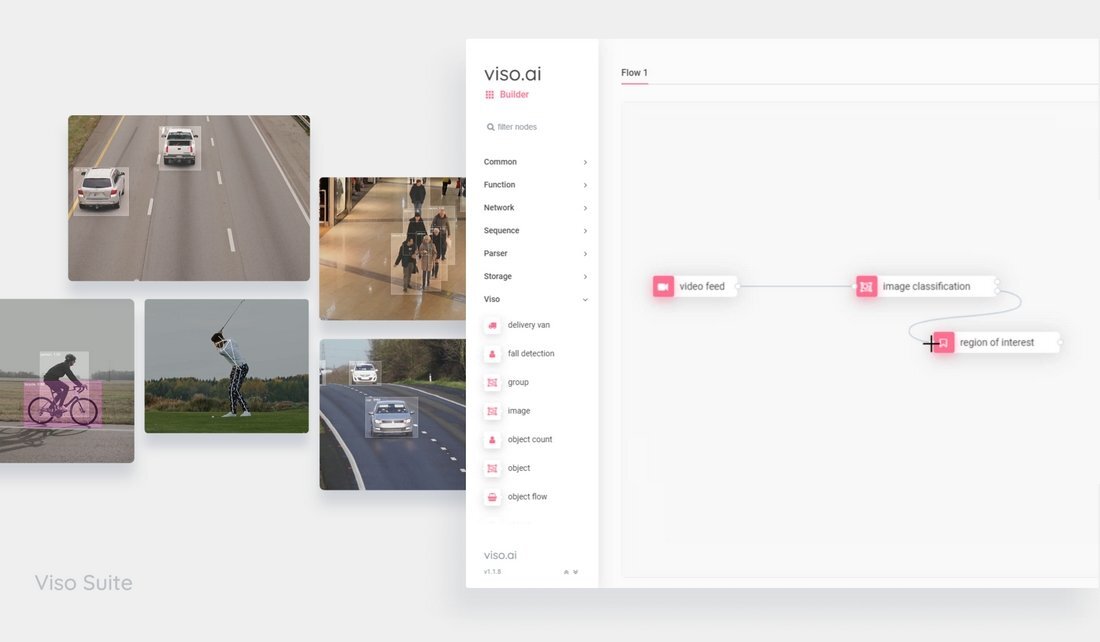
If you don't want to start from scratch and use pre-configured infrastructure, you might want to check out computer vision platforms. These enterprise suites provide popular open-source image recognition software out of the box, with pre-trained models. They also provide data collection, image labeling, and deployment to edge devices – everything out-of-the-box and with no-code capabilities.
Conclusion
Leveraging deep learning for image recognition in software applications is transforming various industries by accurately interpreting visual data. Understanding the nuances between image recognition and detection is key, enabling developers to tailor their approaches effectively. The process involves gathering labeled data, training neural networks, and testing models. Modern platforms offer pre-configured infrastructure for seamless integration. Overall, this technology fosters user-centric solutions, drives innovation, reduces failure risks, and ensures adaptability to evolving needs.