Understanding Containerization and Docker in Software Development
The Rise of Containerization
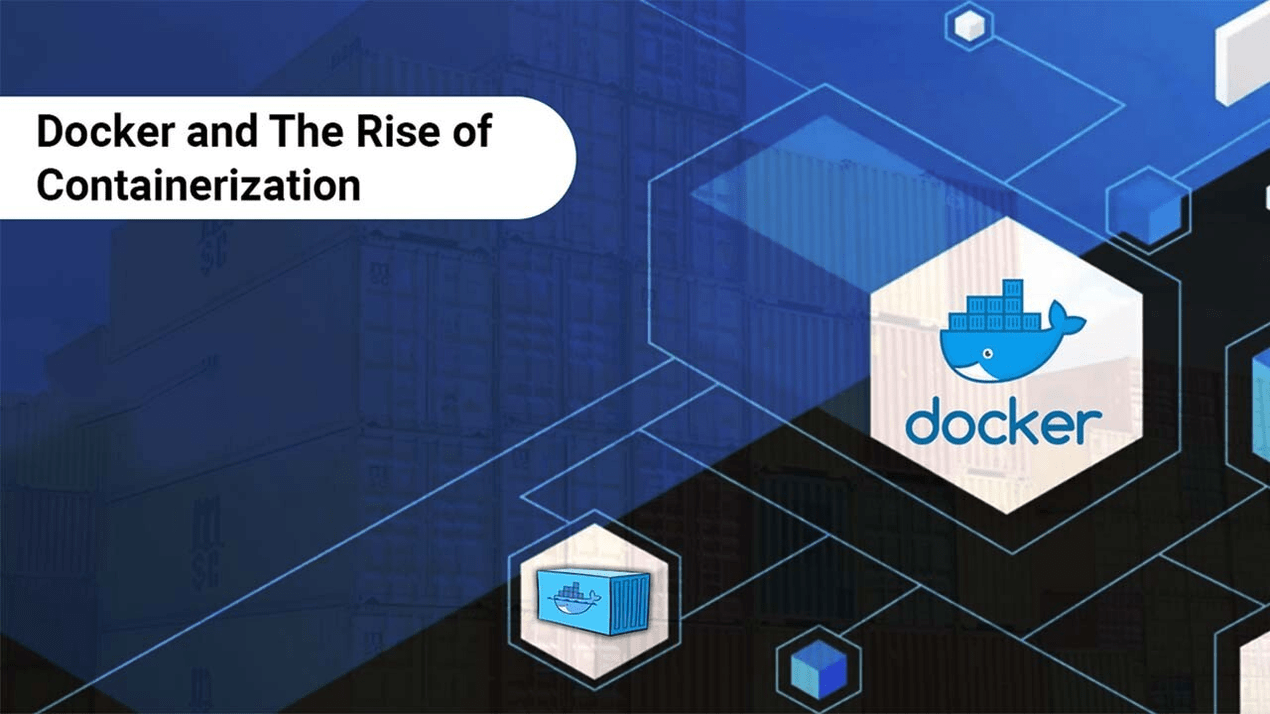
Traditionally, software applications were deployed on physical or virtual servers, each running its own operating system (OS) and dependencies. This approach often led to issues with compatibility, resource utilization, and deployment consistency. Containerization addresses these challenges by encapsulating an application and its dependencies into a lightweight, standalone package called a container.
What is Docker?
While containerization is the broader concept, Docker is a popular open-source platform that simplifies and streamlines the containerization process. Docker provides tools for building, sharing, and running containers, making it a preferred choice for developers and organizations.
Docker's Key Offerings:
- Docker Engine:
The runtime environment that executes container images.
- Docker Hub:
A vast repository of pre-built container images for various applications and services.
- Docker Compose:
A tool for defining and managing multi-container applications.
- Dockerfile:
A script that specifies the instructions for building a container image.
Integrating Docker into Software Development Workflow
In a software IT company, integrating Docker into the development workflow can streamline the process of building, testing, and deploying applicationsHere's how Docker fits into each stage:
Development:Developers can use Docker to create development environments that mirror production, allowing them to work in isolated containers without worrying about conflicts or dependencies. Docker's flexibility enables teams to use any programming language or framework while maintaining consistency across projects.
Testing:Docker facilitates automated testing by providing a consistent environment for running test suites. Test environments can be quickly spun up using Docker containers, ensuring that tests are performed under identical conditions across different stages of the development lifecycle.
Deployment:Docker simplifies the deployment process by packaging applications and their dependencies into portable containers. Continuous integration/continuous deployment (CI/CD) pipelines can leverage Docker images to automate the deployment of updates and new features, reducing time-to-market and minimizing downtime.
Conclusion
So containerization has become a really important part of modern software development. Containers have become a popular way to package and deploy applications. And Docker has emerged as a leading platform for building, deploying, and managing containers.
One key trend that we can expect to see in the future is continued growth and adoption of containerization and Docker. More and more organizations are starting to use these technologies as part of their software development and deployment processes, and that trend is likely to continue.