

The Importance of Documentation in Software Development Projects
In the fast-paced world of software development...
Clear System Overview

One of the primary benefits of documentation is that it provides a clear and concise overview of the system. Imagine joining a project mid-way or collaborating with a team member on a complex feature. Without a proper project log, understanding the existing system can be a difficult and time-consuming task.
Well-documented code, on the other hand, serves as a roadmap, guiding developers through the architecture, logic, and functionality of the software. This understanding is invaluable for maintaining, debugging, and extending the codebase.
On the other hand, we should be very careful when documenting (leaving comments) on individual parts of our code logic. Code itself is part of documentation and it should be self-explanatory – a crucial aspect of writing maintainable and understandable code. It reduces the need for extensive comments or external documenting tasks externally, as the logic and purpose are clear from the code itself. Here are some practices to help you make your code as self-explanatory as it gets:
- Use Meaningful Naming
Choose names that accurately reflect the purpose and role of classes, variables, and functions. Avoid cryptic abbreviations and opt for descriptive names that convey the intent.
- Follow Consistent Coding Conventions
Consistency in coding style helps in creating a predictable code structure. When developers follow a consistent coding convention, it becomes easier for others to understand the code. This includes consistent indentation, naming conventions, and formatting.
- Break Down Complex Logic into Smaller Function
Instead of writing long and complex functions, break down the logic into smaller, self-contained functions. Each function should have a single responsibility, making it easier to understand and test.
Onboarding and Collaboration
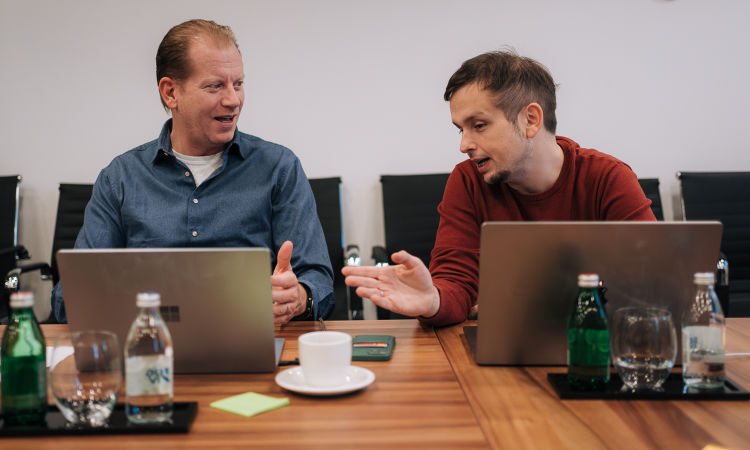
Documentation is instrumental in onboarding new team members. It serves as a knowledge transfer tool, helping newcomers get up to speed quickly. A well-documented project reduces the learning curve, enabling developers to contribute effectively from day one. Instead of relying solely on direct communication with existing team members, new hires can independently study the documentation, which is especially beneficial in large or complex projects. When several team members collaborate on a project, this becomes a sort of shared language among our developers. It ensures that everyone is on the same page regarding coding standards, best practices, and project conventions.
Code Maintenance and Future Development
DAs software evolves, the need for maintenance and future development grows stronger. For maintenance tasks, including bug fixes, performance improvements, or updates, developers often need to work with code that they or their colleagues wrote some time ago.
Properly written documentation – including code comments – API documentation, and software architecture documents, helps developers quickly understand how the existing code works and how different components interact with each other.
This continuous process depends heavily on a clearly structured and adequately named hierarchy of completed, unfinished, and yet-to-start tasks. When developers revisit their code after some time, having comprehensive documentation can refresh their memory, saving valuable time and effort. Additionally, for projects that span years or involve different teams, detailed writings become a critical asset for ensuring continuity and preventing knowledge gaps.
Well-documented code and systems allow developers to troubleshoot issues more effectively. Finally, documentation can provide insights into potential pitfalls, known issues, and troubleshooting steps, which speeds up the problem-solving process.
Conclusion
In conclusion, documentation is an integral part of the software development lifecycle. It is an investment that pays dividends throughout the life of a project. As developers, we should prioritize creating and maintaining documentation as diligently as we do writing code. By doing so, we contribute to the overall success and sustainability of our projects, making them more resilient to changes and accessible to all those involved.